
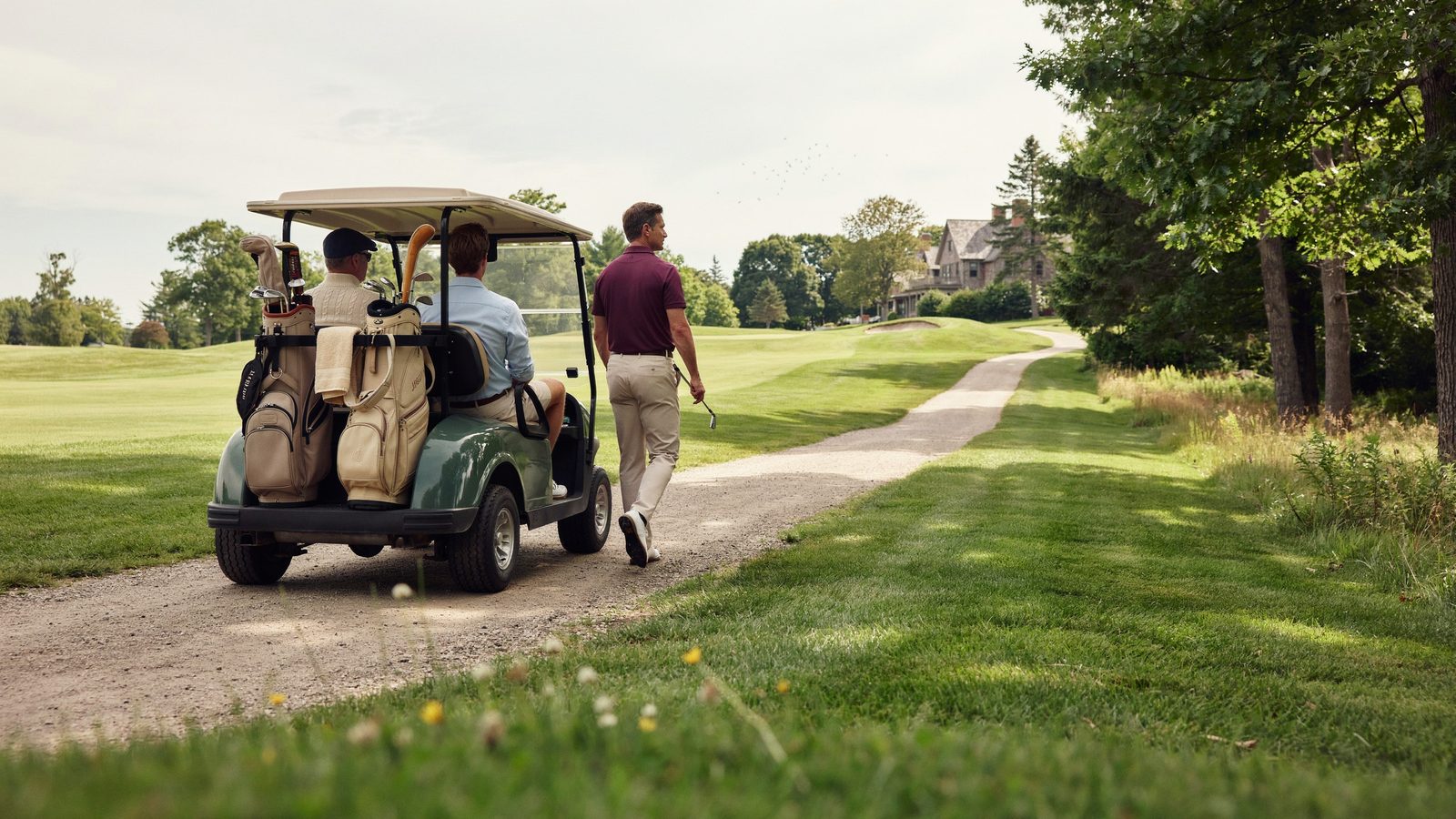
Beyond the Cart Path: What Golf's Data Really Says About Mobility After 65
Forget the old debates; the numbers show how walking the course impacts physical resilience in profound ways.
Get Palmelle in your Google results.
One tap. Google shows our reporting higher when you search.
A recent study published in Human Kinetics Journals looked at golfers over 80 and found that playing the game might actually slow down the decline in grip strength, lower limb power, and static balance as we age [c1]. I saw that headline and immediately thought about my dad, who's 72 and just had a minor knee procedure. He's been eyeing his golf clubs gathering dust, but the thought of walking 18 holes felt like a distant memory. He’d been told by his doctor that maybe it was time to just use the cart, to 'take it easy.' My complaint with how this is usually framed is the instant jump to 'take it easy.' It sounds like a euphemism for 'stop doing things that matter.' The standard advice, even from well-meaning folks, often assumes that any physical activity for older adults should be prescribed like medicine – measured, limited, and often passive. The knee procedure advice felt like that: here's a cart, here's a quiet afternoon. It’s the paternalistic whisper that activity leads to injury, so inaction is safety. But that Human Kinetics study, and others, suggest the opposite. They imply that *not* moving, or moving less vigorously, is the greater risk. The thinking is that the gentle, consistent strain of walking, combined with the mental engagement of the game itself, builds a resilience that inactivity erodes. My dad's doctor’s advice was about preventing immediate joint pain, but it missed the larger picture of maintaining functional strength and balance, which are the real keys to independence and a good life later on. The actual move here is not about ignoring joint pain. It’s about understanding the multifaceted benefits of consistent, moderate physical engagement. It’s about recognizing that 'taking it easy' isn't always the best way to preserve what you have. The real win is finding ways to keep moving, even with aches and pains, because the alternative is a more profound decline. So, before your next check-up, jot down your regular physical activities, even if they seem minor. Ask your doctor to help you assess how those activities contribute to your strength and balance, not just how they might cause pain. It's a simple shift in focus, but it can change the entire conversation about staying active.
The direct answer
For individuals over 65, walking the golf course instead of using a cart can offer significant benefits for grip strength, lower limb power, and balance, potentially slowing age-related decline. While joint concerns are valid, the overall physical engagement of walking often outweighs the perceived risk, especially when considering long-term mobility and life satisfaction.
The Data Doesn't Lie: Walking Beats the Cart for Longevity
When we look at studies on physical activity and aging, a clear pattern emerges: consistent, moderate movement is key to maintaining function. A study in BMJ Open Sport & Exercise Medicine suggests that playing golf may offer older adults more health benefits than regular or Nordic walking [c2]. This isn't to say walking isn't good; it is. But golf, with its specific mix of walking, bending, and swinging, provides a unique physical stimulus. It's more than just exercise; it’s applied physical engagement.
Think about the mechanics: walking the course means covering miles, often on varied terrain. Then there's the act of bending to pick up a tee, the stance for a swing, and the controlled rotation of the torso. These aren't isolated movements; they're integrated actions that challenge your balance, coordination, and muscular endurance. The American Heart Association notes that regularly golfing, at least monthly, has been linked to a lower risk of death in older adults [c6]. This isn't just about heart health; it points to a broader impact on overall physical resilience.
When you compare this to riding in a cart, the difference in physical demand is stark. A cart significantly reduces the cardiovascular and muscular effort. While it might seem like a sensible accommodation for a sore knee, it effectively removes many of the very activities that help maintain the strength and balance needed to *prevent* future mobility loss. The question isn't just about 'can I walk?', but 'what am I losing by *not* walking?'
Knee Woes and Golf: A More Nuanced Picture
It's easy to assume that if you have knee pain, walking a golf course is a bad idea. New Mexico Orthopaedics points out that for golfers with knee osteoarthritis, walking the course can offer heart health benefits that may actually outweigh potential joint harm [c4]. This is a critical distinction. It's not an endorsement to ignore pain, but an indication that the overall benefits of the activity can be more important than the localized discomfort, provided it’s managed.
The key here is management. This might involve pre-game stretching, using a walking stick for added support on uneven ground, or even choosing a course with flatter terrain. It’s about adapting the activity to your body, rather than abandoning it entirely. The American Academy of Family Physicians highlights that golf, specifically without a cart, is an activity that can be sustained by many older adults [c3]. The implication is that with some thoughtful adjustments, the physical demands can be met.
Consider the alternative: if knee discomfort leads to reduced activity, other muscles can weaken, balance can falter, and overall physical confidence can decline. This can create a downward spiral where even simple movements become more challenging. The sustained, moderate exertion of walking the course, when approached mindfully, can be a powerful tool in preventing that broader decline, even if it requires some negotiation with your joints.
Want more of this?
Mark Palmelle a preferred source and it shows up when you search Google.
Beyond Physical Health: The 'Why' of Staying Active
The impact of activities like golf extends far beyond the physical. Life satisfaction in older adults is positively associated with participation in health insurance (which often encourages preventive care and activity) and physical exercise [c5]. Golf, as a social and engaging activity, ticks both boxes. It provides a reason to get out of the house, connect with friends, and maintain a routine.
This social connection is not a trivial benefit. For many, the golf course is a hub of community and a source of regular social interaction. Losing that can have a significant impact on mental well-being and a sense of purpose. The structured nature of a round of golf—planning shots, strategizing with partners, even the friendly banter—provides a cognitive workout as well as a physical one.
When we frame the decision solely around potential joint pain versus the convenience of a cart, we overlook these crucial elements of a fulfilling life. The data suggests that maintaining physical engagement, even with minor limitations, is a powerful driver of overall life satisfaction. It’s about preserving not just the ability to move, but the desire and opportunity to engage with the world.
Common mistakes
- Assuming 'taking it easy' means stopping physical activity.
This is the most common pitfall. What feels like sensible advice to avoid pain can actually accelerate deconditioning and lead to greater mobility loss over time. The goal should be adaptation, not cessation. - Focusing solely on localized joint pain without considering overall functional capacity.
A sore knee is important, but it’s one piece of a larger puzzle. Ignoring the benefits of whole-body engagement for balance, strength, and cardiovascular health can lead to a decline in areas that truly impact independence and quality of life.
Frequently asked
Can walking 18 holes of golf really be good for me if I have some arthritis?
Yes, studies suggest that the overall benefits of walking the course, including improved balance, strength, and cardiovascular health, can outweigh potential joint discomfort for many individuals over 65. It's about managing the activity, not avoiding it. You might consider incorporating stretching, using a support stick, or choosing flatter courses. The American Heart Association notes regular golfing is linked to a lower risk of death in older adults [c6].
Is there a difference in health benefits between walking and riding in a golf cart?
There's a significant difference. Walking the course provides substantial cardiovascular and muscular engagement, contributing to better grip strength, lower limb power, and balance. Riding in a cart largely removes these benefits, leading to a less physically demanding, and therefore less beneficial, experience. Studies even suggest golf can be more beneficial than walking alone [c2].
How does golf participation affect life satisfaction in older adults?
Research indicates a positive association between physical exercise and life satisfaction in older individuals [c5]. Golf, being a social and physically engaging activity, contributes to this by fostering community, maintaining routine, and providing a sense of accomplishment and purpose, all of which are vital for overall well-being.
Sources
- Human Kinetics Journals — Playing recreational golf over the age of 80 years may help slow the decline in grip strength, lower limb power, and static balance with aging.
- BMJ Open Sport & Exercise Medicine — Older adults may gain more health benefits from playing golf than participating in regular or Nordic walking.
- American Academy of Family Physicians (AAFP) — Golf (without a cart) can be sustained by many older adults.
- New Mexico Orthopaedics — Walking the golf course instead of riding in a cart offers heart health benefits that may outweigh potential joint harm for golfers with knee osteoarthritis.
- PMC (PubMed Central) / Frontiers in Public Health — Life satisfaction of older people was positively associated with participation in health insurance and physical exercise.
- American Heart Association — Regularly golfing, at least once per month, was found to lower the risk of death among older adults.


More from Life & Community → · Back to Perch · Browse all stories
More of this, in your Google results.
Takes one tap, and it applies everywhere you search — not just this page.