
The Great Medicare Dementia Mirage
Why the government's shiny new GUIDE model offers plenty of 'coordination' but leaves you to foot the $8,000 monthly bill alone.
Get Palmelle in your Google results.
One tap. Google shows our reporting higher when you search.
Last July, Medicare launched a program called the GUIDE model, promising to rescue families drowning in the quicksand of dementia care. It sounds beautiful on paper: a personal care coordinator, a 24/7 helpline, and support training for exhausted adult children. But there is a quiet, mathematical catch that the press releases glossed over. The government is offering to coordinate a system you still cannot afford to access.
The direct answer
Medicare covers doctor's visits, diagnostic tests, and some limited short-term care related to dementia, but it generally does not cover the long-term custodial care needed in assisted living, nursing homes, or memory care facilities. This means the bulk of monthly care costs will likely come from other sources.
What Medicare Actually Covers (and Doesn't)
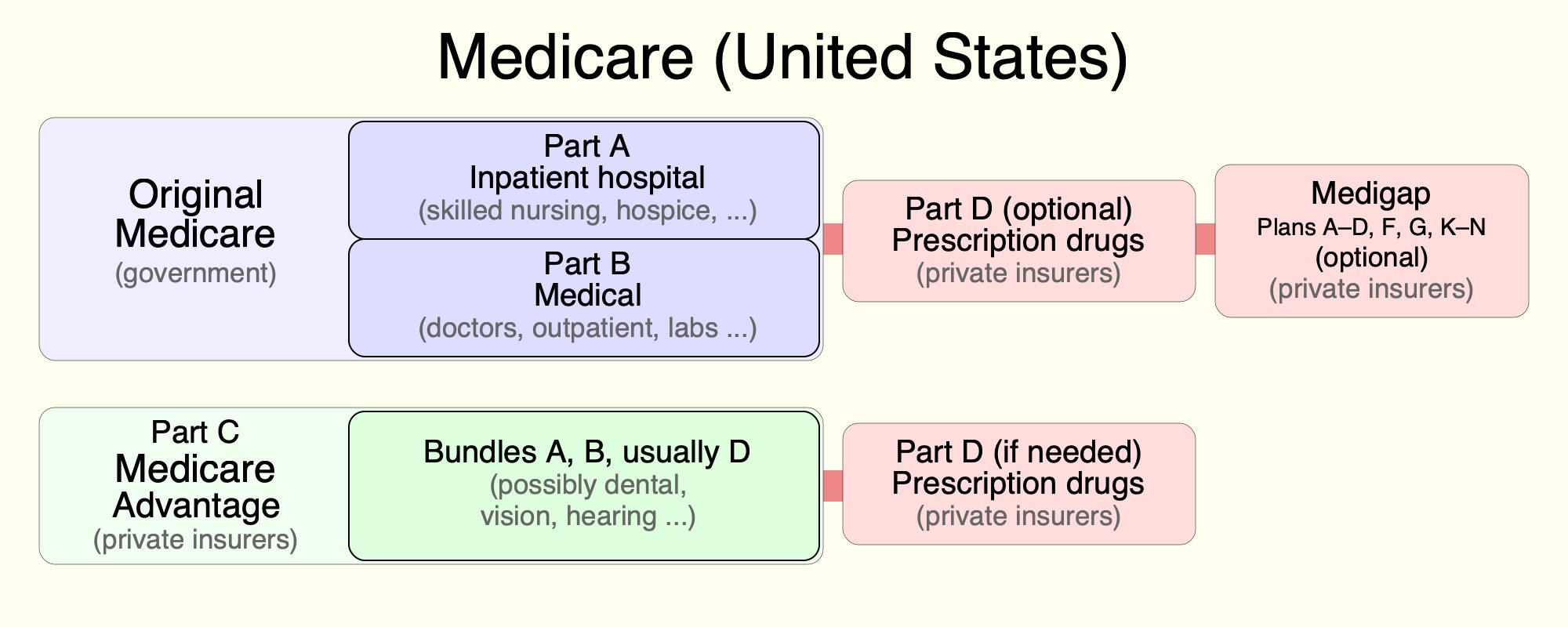
Medicare's coverage for dementia is a common point of confusion, often leading to a significant financial gap for families. While it's excellent for acute medical needs, its role in ongoing care is far more limited. For example, Medicare will pay for hospital stays, physician services, and prescription drugs that treat dementia symptoms or related conditions [c1]. If a doctor prescribes a medication to manage agitation or memory recall, Medicare Part D will likely cover a portion of that cost, similar to other prescriptions.
However, the services that become essential as dementia progresses—like help with bathing, dressing, eating, and constant supervision—fall into the category of custodial care. Medicare, as a health insurance program, does not pay for these services when they are the primary need [c4, c5]. This is a crucial distinction: if someone needs round-the-clock assistance in a care facility, Medicare typically won't cover the monthly fees for that housing and support.
There are exceptions, but they are narrow. Medicare might cover a short stay in a nursing home after a qualifying hospital stay for rehabilitation purposes, but this is focused on recovery, not long-term custodial support. The same applies to home health visits: if a doctor orders skilled nursing care or physical therapy at home post-hospitalization, Medicare can cover that for a limited time. But for the daily, ongoing needs of someone with dementia, this coverage runs out quickly.
The Real Cost of Dementia Care Facilities
The financial reality of dementia care facilities is stark. Monthly fees can range from $4,000 to over $10,000, depending on the level of care required and the geographic location. A dedicated memory care unit, designed with enhanced safety features and specialized programming, often sits at the higher end of this spectrum. These costs are not fleeting; they are ongoing expenses that can deplete savings rapidly.
Consider a scenario where a parent needs to move into a memory care facility. If Medicare were to cover even half of the $7,000 monthly average, that would still leave $3,500 out-of-pocket. Over a year, this amounts to $42,000. Over five years, it’s $210,000. This is precisely why understanding the funding landscape beyond Medicare is so critical.
Many families discover this gap when they are already in crisis mode, scrambling to find funds for immediate placement. This often leads to difficult decisions, like selling a cherished family home or relying on emergency loans, which can add immense stress to an already challenging time. Proactive financial planning, starting years before care is needed, is the only way to mitigate this.
Want more of this?
Mark Palmelle a preferred source and it shows up when you search Google.
Beyond Medicare: What's Left?
With Medicare's limitations in mind, families must look to other resources. Long-term care insurance is one avenue, but it requires purchasing a policy before significant health issues arise, and premiums can be substantial. These policies are specifically designed to cover custodial care in various settings, including assisted living and nursing homes.
For those who qualify based on income and assets, state Medicaid programs can be a crucial source of funding. Many states offer Medicaid waivers that can help pay for in-home care or assisted living services for individuals with dementia. The application process can be complex, and eligibility requirements vary significantly by state, often involving a look-back period for asset transfers.
Veterans and their surviving spouses may be eligible for benefits through the Department of Veterans Affairs (VA), such as the Aid and Attendance pension, which can help offset the cost of care. This is often an overlooked resource that can provide substantial financial assistance for those who served.
Finally, private pay remains the most common method for covering dementia care costs, meaning families draw from savings, investments, or home equity. This underscores the importance of early financial planning and understanding the full scope of potential expenses.
Common mistakes
- Assuming Medicare will cover long-term dementia care.
This is the most common and costly mistake. Medicare is primarily for acute medical needs, not the ongoing custodial care essential for dementia. Relying on this assumption can leave families with a significant, unexpected financial burden. - Waiting until a crisis to explore funding options.
When a loved one's needs become urgent, the options for securing funding or finding affordable care shrink dramatically. Starting the research and planning process early, even years in advance, opens up more possibilities and reduces stress.
Frequently asked
Does Medicare cover memory care facilities?
No, Medicare does not typically cover the long-term custodial care provided in memory care facilities. It covers medical services, doctor visits, and some limited skilled nursing or home health care, but not the room, board, and daily assistance that memory care entails.
What is the difference between what Medicare covers and what a nursing home costs?
Medicare covers medically necessary services, such as skilled nursing care for a limited time after hospitalization or doctor's visits. A nursing home, however, provides 24/7 custodial care, which includes assistance with daily living activities like bathing, dressing, and eating. These custodial services are generally not covered by Medicare and represent the bulk of a nursing home's monthly cost.
Are there any specific dementia treatments Medicare covers?
Yes, Medicare can cover specific treatments and medications related to dementia. This includes doctor visits for diagnosis and management, cognitive tests, and prescription drugs that may help manage symptoms like agitation or improve memory recall. However, this coverage is for the medical aspects, not the long-term supportive care.
Sources
- AARP — Explains the significant gaps in Medicare coverage for dementia care.
- Alzheimer's Association — Clarifies that Medicare covers some, but not all, care costs for those with Alzheimer's or dementia.
- CMS — Highlights the need for comprehensive caregiver support for individuals with dementia and the issue of fragmented care.
- PMC — States that Medicare covers medical care and only some short-term supportive care, not long-term needs.
- GoodRx — Explicitly states Medicare does not cover long-term care services like assisted living and nursing homes.


More from Care Navigation → · Back to Perch · Browse all stories
More of this, in your Google results.
Takes one tap, and it applies everywhere you search — not just this page.