
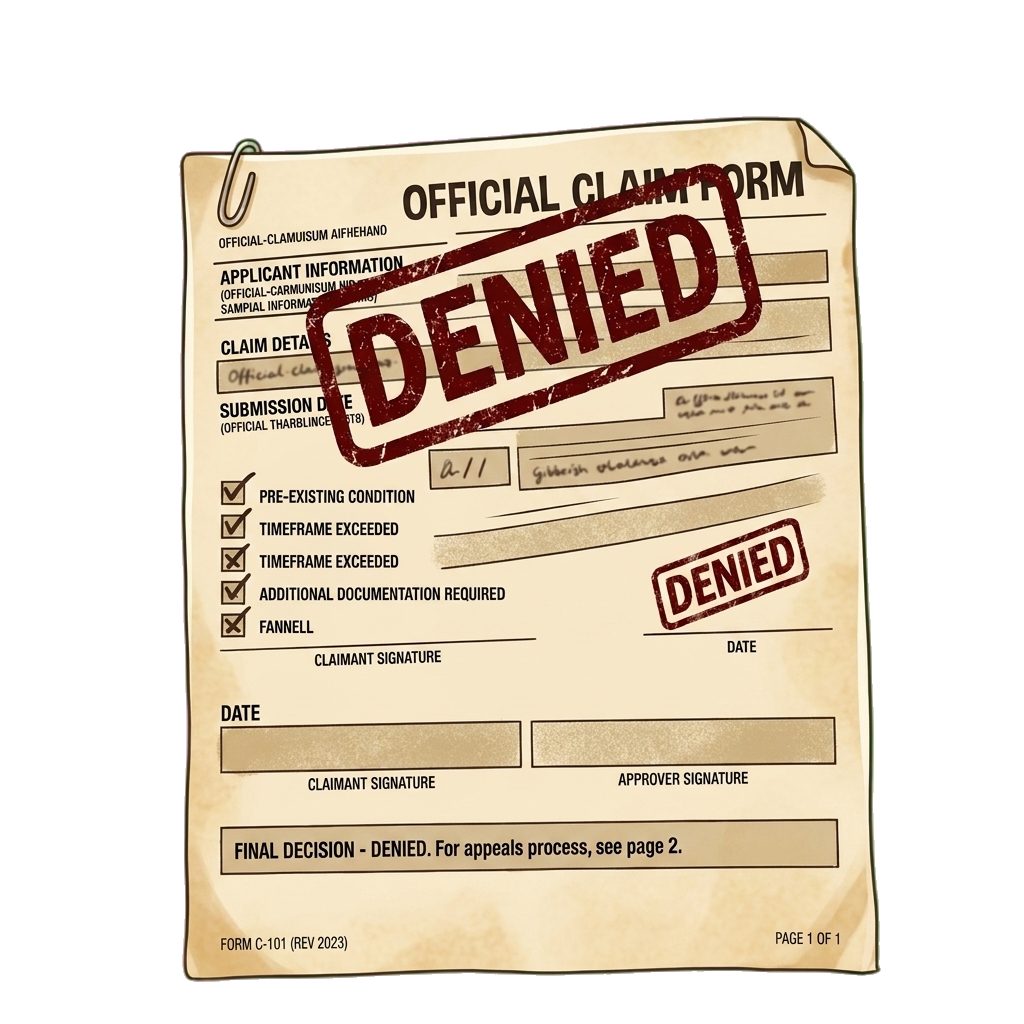
When a Death Certificate Feels Wrong: How to Ask for a Second Look
If a family questions the cause of death, the official record isn't always the final word.
Get Palmelle in your Google results.
One tap. Google shows our reporting higher when you search.
The plot of Yellowstone often plays fast and loose with mortality, like when John Dutton’s supposed death was staged and nobody could challenge it [HOLLYWOOD]. It’s a dramatic device, but it mirrors a frustrating reality for families who feel the official record after a death doesn’t tell the whole story. In Massachusetts, for instance, a request for an autopsy report copy requires eligibility, and without it, the details remain out of reach for many curious relatives [c1]. I read that and thought about Mom’s last few weeks, the confusion, the rapid decline. Did she get the right care? Was the cause of death recorded accurately? It’s the kind of story that makes you want to call your pharmacist, not to ask about refills, but just to hear a human voice that isn't tied to a recent loss. The problem with how these situations usually get framed is that they’re presented as closed cases, settled facts. The standard industry response you often hear, like the one from the NYC Office of Chief Medical Examiner regarding family requests for information, is that they can only provide certain reports [c5]. That’s the wall. But what if that wall isn’t as solid as it seems? The real leverage isn’t in complaining about what you can’t get. It’s in knowing that death certificates can be amended, a process set by the state vital records office. You just have to know where to ask. Before you close the book, ask your county coroner’s office about requesting an autopsy. It’s a concrete step you can take this week if doubt lingers.
The direct answer
If you have concerns about a death certificate, you can typically request a review by the county coroner or medical examiner. This office handles death investigations and can order an autopsy if deemed necessary. If the initial review doesn't satisfy your concerns, a private autopsy can sometimes be arranged at your expense, and death certificates can be amended through the state's vital records office.
Who Can Question a Death Certificate?
The authority to question a death certificate isn't limited to a select few. In most places, any interested party can initiate a request for a review of a death investigation by the local coroner or medical examiner [c2][c3]. This means if you are a family member, a close friend, or even someone with a demonstrable stake in the deceased's affairs, you have standing to raise concerns.
The process is generally managed at the county level, so the exact steps and forms will vary depending on where the death occurred. However, the underlying principle remains: the system allows for a second look if there are legitimate questions about the cause or circumstances of death. This is crucial because a death certificate is a legal document with significant implications for inheritance, insurance, and historical records.
Your concerns are valid, and the system is designed to accommodate them. The key is to understand that the initial determination is not necessarily the final word. Reaching out to the relevant county office is the first practical step in opening that dialogue and ensuring all avenues are explored.
The Role of the Coroner and Autopsies
When a death occurs under unclear circumstances, or if there's a suspicion of foul play or an incorrect diagnosis, the coroner or medical examiner’s office is the primary point of contact. They have the authority to order an autopsy, which is a thorough examination of the body to determine the cause and manner of death. This is a critical step for ensuring accuracy and providing closure.
If the official medical examiner declines to perform an autopsy or conduct a full review, families often have the option to commission a private autopsy. This would involve hiring a pathologist independently. While this route comes with a significant financial cost, it allows for a more in-depth investigation driven by the family's specific concerns. The expense can range from several thousand dollars upwards, depending on the pathologist and the extent of the examination required.
Even if an autopsy isn't performed or doesn't change the initial findings, the process of requesting a review or an autopsy can sometimes lead to corrections or amendments to the original death certificate. The state’s vital records office handles these amendments, and providing them with new, compelling evidence—such as the results of a private autopsy or further findings from a reopened investigation—can be sufficient grounds for an update.
Want more of this?
Mark Palmelle a preferred source and it shows up when you search Google.
What Families Aren't Always Told
One of the most frustrating aspects for families is the lack of clear guidance on how to formally dispute or investigate a death certificate. Often, the assumption is that the initial document is final. However, many jurisdictions allow families to provide statements or concerns directly to the coroner's office, especially if they have information that wasn't available or considered initially [c4]. This is a chance to present your perspective and any evidence you might have.
The avenues for amendment are also not always well-publicized. While the specifics are state-dependent, the general pathway involves contacting the state’s vital records office and submitting a formal request for correction, often requiring supporting documentation. This could include a court order, an amended autopsy report, or findings from a subsequent investigation. The process can be bureaucratic and take time, but it's a tangible way to rectify errors.
Furthermore, the distinction between a medical examiner and a coroner, and their respective authorities, can be confusing. While both investigate deaths, their qualifications and the scope of their powers can differ. Understanding this distinction within your local jurisdiction is key to knowing who to approach and what to expect.
Common mistakes
- Assuming the death certificate is unchangeable.
Many people believe the initial document is the absolute final word. This can prevent them from exploring legitimate avenues for correction, leaving them with lingering doubts or inaccuracies in official records. - Not knowing who to contact locally.
The process for requesting reviews or amendments is county- or state-specific. Failing to identify the correct office—whether it's the coroner, medical examiner, or state vital records department—can lead to wasted effort and frustration.
Frequently asked
How do I request a copy of an autopsy report for a family member?
To request a copy of an autopsy report, you typically need to contact the coroner or medical examiner's office in the county where the death occurred. Eligibility requirements vary by state and jurisdiction; in some places, like Massachusetts, you must meet specific criteria to receive a copy [c1]. Be prepared to provide documentation proving your relationship to the deceased.
Can I request an autopsy if the medical examiner didn't perform one?
Yes, in many cases, you can request an autopsy privately if the official medical examiner declines to perform one. This is typically done by contacting the county coroner's office and formally requesting the procedure [c3]. Be aware that a private autopsy will incur costs, which can be substantial.
What if I disagree with the cause of death on the certificate?
If you disagree with the cause of death listed on a death certificate, your first step is usually to contact the county coroner's office to inquire about a review or autopsy [c3]. If new information or evidence arises, you can then petition the state's vital records office to amend the certificate, providing the necessary documentation to support your claim.
Sources
- Mass.gov — Details eligibility requirements for families requesting autopsy reports.
- indy.gov — Information on contacting the coroner's office for death investigations.
- Mishkind Kulwicki Law Co., L.P.A. — Explains how to contact the coroner to request an autopsy when disagreeing with a death certificate.
- RWK Goodman — Discusses providing statements to the coroner if there are concerns about how someone died.
- NYC.gov — Specifies what records OCME can provide to family members and next of kin.



More from Inside the Industry → · Back to Perch · Browse all stories
More of this, in your Google results.
Takes one tap, and it applies everywhere you search — not just this page.