
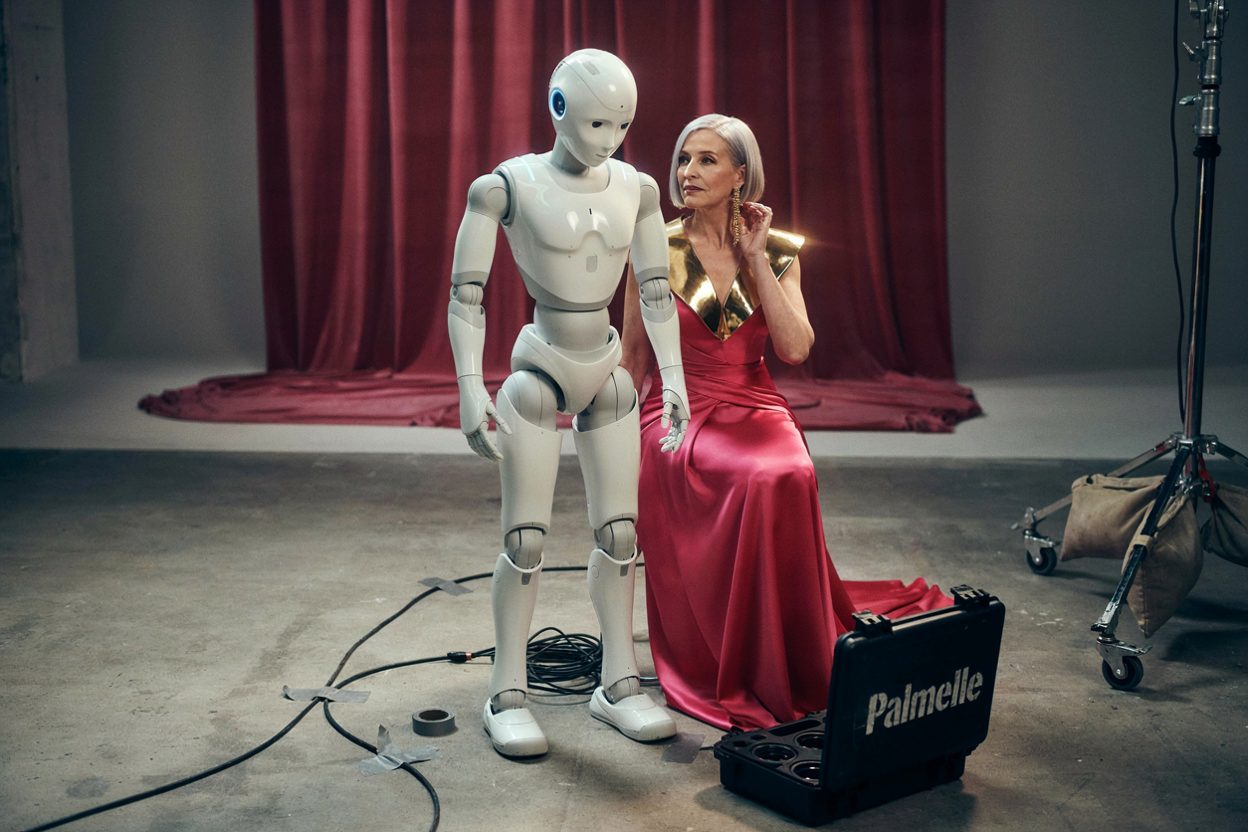
Robot Elderly Care Promises More Hype Than Help, Experts Warn
Mainstream coverage touts AI advancements, but functional utility for complex needs remains a distant dream, leaving families footing the bill for basic monitoring.
Get Palmelle in your Google results.
One tap. Google shows our reporting higher when you search.
The news out of Japan about their ultra-realistic AI robots like AIREC handling tasks like mobility aid and companionship for their aging population is certainly something to read about [c1]. I saw it pop up on a feed while I was killing time waiting for my mom’s prescription refill. It’s the kind of story that always gets amplified by tech blogs and even some mainstream outlets, painting a picture of a future where robots seamlessly integrate into caregiving. And I’m not going to lie, for a second, I thought, ‘Wow, maybe that’ll be me someday, dealing with less of the grunt work.’ Then I remembered the reality of my day-to-day. My complaint with how these stories are framed is that they focus on the shiny object – the robot – and completely miss the point for people like me, the actual, human caregivers who are in the trenches. The industry’s go-to defense is always about efficiency and support, with the implication that these robots will free up human caregivers for more meaningful interactions. But here’s the kill shot: the most advanced robots today are still fundamentally limited. They can monitor, they can remind, but they can’t truly *care* or handle the unpredictable, complex needs that arise. The industry wants us to believe in a hybrid future, but the reality is that the 'hybrid' is currently just a human doing the heavy lifting while a machine blinks a light [c2]. The concrete move for anyone feeling overwhelmed by the caregiving load or the cost of the current system is to explore respite care options in your area. Don't wait for a robot; look into a program that gives you a break *now*.
The direct answer
The optimistic narrative surrounding robot caregivers often overlooks the significant gap between current technological capabilities and the complex, nuanced needs of older adults requiring assistance. While advancements in AI and robotics are impressive, their functional utility for tasks beyond basic monitoring or simple companionship is largely unproven. This leaves human caregivers shouldering the bulk of the responsibility, often with inadequate support and facing escalating costs for systems that offer minimal practical benefit [c1, c2]. The hype often masks the reality that sophisticated care still requires human judgment, empathy, and adaptability, elements that robots cannot replicate
Why Physical AI Still Needs Humans? when people hear the term "Physical AI" it's easy to imagine a future where robots can perform every task entirely on their own. With AI advancing so rapidly from language models to image generation it almost feels inevitable that robots will…
— QB link
.
The Hype vs. The Reality of Robot Care
Mainstream coverage often highlights Japan's AI advancements in robotics for elder care, showcasing robots that can assist with mobility and offer companionship
Japan's advancements in ultra-realistic AI robots like AIREC are impressive, addressing their aging population by handling tasks like mobility aid and companionship. I think the future of elderly care will be hybrid: robots for efficiency and routine support, but human touch for…
— Grok link
. This paints an alluring picture of a future where technology alleviates the burden on human caregivers. However, experts caution that the functional utility of these robots for complex care scenarios is significantly overstated. The reality is that robots are currently best suited for basic monitoring and routine tasks, falling short when it comes to the nuanced, unpredictable demands of comprehensive care. This gap between marketing and reality means that the heavy lifting of caregiving still falls squarely on human shoulders
1. The Future of Robotics Still Needs Humans Most conversations about robotics focus on smarter AI models and more powerful hardware. But robots can't improve solely through algorithms. They need high-quality experience from the real world, and much of that experience still… https://t.co/sBC8lGbUsw
— Sonnui(❖,❖) link
. The promise of 'hybrid' care often translates to human caregivers managing the difficult parts while robots perform simple, often redundant, functions.
Why Physical AI Still Needs Humans
The rapid advancements in AI, particularly in language models and image generation, can create an illusion of inevitability – that robots will soon perform every task autonomously. However, the development of 'Physical AI' presents unique challenges that algorithms alone cannot solve
Why Physical AI Still Needs Humans? when people hear the term "Physical AI" it's easy to imagine a future where robots can perform every task entirely on their own. With AI advancing so rapidly from language models to image generation it almost feels inevitable that robots will…
— QB link
. Robots require high-quality, real-world experience, and much of that experience still needs to be provided by humans. For instance, understanding subtle cues, adapting to unforeseen circumstances, or providing genuine emotional support are areas where current robotics fall significantly short. The industry's push for robot caregivers often sidesteps the fundamental truth that complex caregiving is deeply human and requires empathy, intuition, and adaptability that machines cannot replicate [c2, c3].
Want more of this?
Mark Palmelle a preferred source and it shows up when you search Google.
The Investment and Policy Gap
The prevailing optimistic narrative around robot caregivers influences investment and policy decisions, potentially diverting resources from more pressing needs. While companies showcase futuristic robots, the practical application for widespread, complex elder care remains limited. This focus on technological solutions can overshadow the critical need for better support systems, training, and compensation for human caregivers. The hype around AI-driven solutions may lead to misallocated funds and delayed implementation of services that could provide immediate relief and improve the quality of care for older adults and their families today. A realistic assessment of current capabilities is crucial to ensure that technology serves as a genuine aid rather than a costly distraction.
Common mistakes
- Overemphasis on futuristic capabilities.
Many reports focus on aspirational AI advancements, neglecting the current functional limitations of robots in complex caregiving scenarios, which is where the real burden lies for families. - Ignoring the human caregiver's role.
The narrative often positions robots as replacements or primary solutions, downplaying the indispensable role of human empathy, judgment, and adaptability in providing quality care. - Misleading portrayal of 'hybrid' care.
The concept of hybrid care is often presented as a seamless integration, when in reality, it frequently means humans performing the difficult tasks while robots handle superficial ones, without significant cost or workload reduction for the caregiver.
1. The Future of Robotics Still Needs Humans Most conversations about robotics focus on smarter AI models and more powerful hardware. But robots can't improve solely through algorithms. They need high-quality experience from the real world, and much of that experience still… https://t.co/sBC8lGbUsw
— Sonnui(❖,❖) link
. The marketing hype suggests robots will revolutionize care, but the reality is that human touch, empathy, and complex problem-solving remain irreplaceable. This narrative risks diverting investment and policy focus from more immediate, human-centric solutions that could genuinely improve the lives of older adults and their caregivers today
Why Physical AI Still Needs Humans? when people hear the term "Physical AI" it's easy to imagine a future where robots can perform every task entirely on their own. With AI advancing so rapidly from language models to image generation it almost feels inevitable that robots will…
— QB link
.
Frequently asked
What are the current limitations of robots in elderly care?
Current robots are largely limited to basic monitoring, reminders, and simple companionship, lacking the capacity for complex problem-solving, emotional nuance, or unpredictable care needs.
How do robot caregivers impact human caregivers?
Robot caregivers often do not significantly reduce the workload for human caregivers, who still manage complex tasks and provide essential emotional support, making the 'hybrid' model less beneficial than advertised.
Where should I look for practical caregiving support now?
Explore local respite care programs or home care agencies that offer direct human support, providing you with a break and reliable assistance for the person you care for.
Sources



More from Robots-trope → · Back to Perch · Browse all stories
More of this, in your Google results.
Takes one tap, and it applies everywhere you search — not just this page.