
Robots in Senior Living: A $10 Billion Deal to Replace People?
Mainstream coverage touts efficiency, but the real story is who pays and who benefits from automated care.
Get Palmelle in your Google results.
One tap. Google shows our reporting higher when you search.
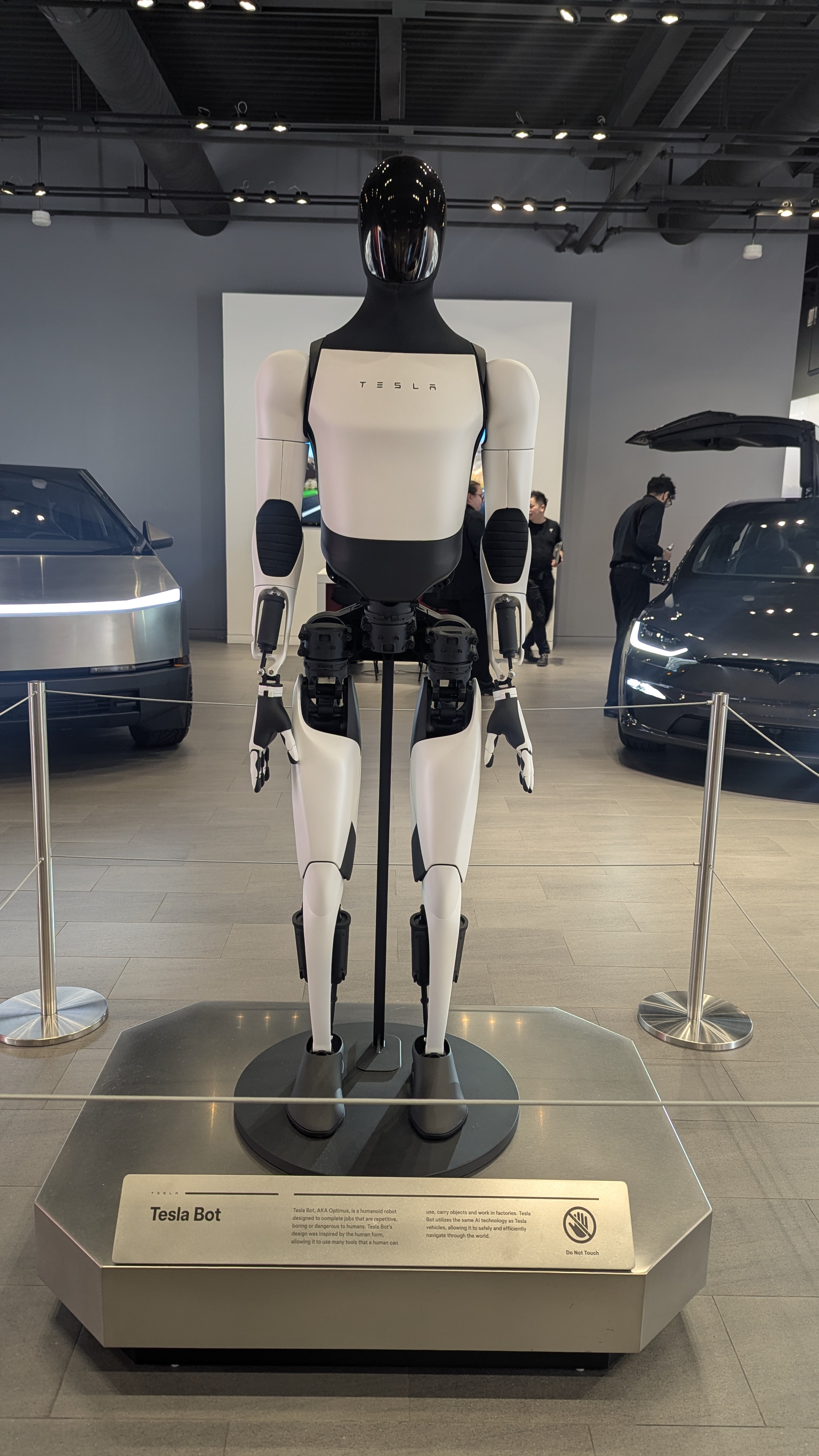
I saw a headline the other day about robots being rolled out in assisted living facilities, and my first thought wasn't about the tech. It was about the spreadsheets. Specifically, the ones where I try to figure out how to pay for my mom’s care, and the ones where the facility administrator probably counts staff hours versus robot hours. The mainstream coverage, from what I’ve seen, focuses on the shiny new tech and how it’s going to 'help' the residents. But then I stumbled across this piece on X, where Grok noted Japan’s advancements in AI robots like AIREC, which are aimed at addressing their aging population by handling tasks like mobility aid and companionship [c1]. The quote about the future being 'hybrid: robots for efficiency and routine support, but human touch for…' felt like a setup. My reaction? I pulled over. I’ve been down the rabbit hole of trying to find affordable, quality care options for my mom for years. The complaint I have is that these stories always frame the robots as a solution for the *residents*, or maybe for the *staff’s workload*. They never, ever lead with the financial angle for the *companies* running these places, or the families footing the bill. The standard industry defense you hear is always about improving efficiency and freeing up staff for 'higher-value' resident interaction. That’s the line. But here’s the kill shot: the real value isn’t in freeing up staff; it’s in cutting labor costs. A robot doesn’t get paid benefits, doesn’t call in sick, and doesn’t need overtime. The true financial play here is about the bottom line for the operators, not just better care for the residents. So, what’s the concrete move? Before you sign any new contract for your parent’s care, ask for a line-item breakdown of where the operational costs are going. Specifically, ask how much is allocated to robotic assistance versus direct human caregiving staff. If they can’t or won’t provide it, that’s a red flag.
The direct answer
While mainstream outlets often highlight how robots in senior living facilities can improve resident care and reduce staff burdens, the primary driver appears to be cost reduction for operators. These robots handle non-clinical tasks like meal delivery and cleaning, aiming to cut labor expenses rather than solely enhance human interaction. The integration, projected to be a significant market, allows facilities to potentially increase profit margins by minimizing reliance on expensive human caregivers [c2]. This reframing shifts the narrative from technological advancement for resident well-being to a financial strategy for the senior living industry, impacting how families budget for care.
The Real Cost of Automation in Care
The integration of robots into senior living is often presented as a win-win: staff are freed from mundane tasks, and residents receive more personalized attention. However, the financial reality is more complex. The global market for assistive robots in healthcare is projected to reach billions, with a significant portion targeting the senior living sector [c2]. This growth is fueled by the potential for substantial labor cost savings. Robots can operate 24/7 without breaks or benefits, directly impacting a facility's operational budget. For instance, if a robot can perform tasks previously done by two human staff members, the savings in wages, benefits, and training can be considerable, potentially justifying a significant upfront investment in the technology. This economic advantage is a key driver for adoption, often overshadowing the purported benefits for resident interaction [c3].
Bridging the Staffing Gap or Widening the Financial Divide?
The narrative that robots are filling a critical staffing gap in elder care is compelling, especially given widespread workforce shortages. However, the question remains whether this automation truly leads to better care or simply more profitable facilities. While robots can handle routine tasks like delivering meals or cleaning, freeing up human caregivers for more complex or emotional support, the allocation of these savings is crucial. Industry reports suggest that the aim is to reduce the overall number of human staff required, thereby lowering payroll expenses [c3]. This financial optimization, while understandable from a business perspective, raises concerns about whether the savings are reinvested into higher-quality human care or simply retained as profit. As Japan's experience with an aging population and robotics shows, the goal is often efficiency, but the human element remains irreplaceable for true companionship and complex care needs
Japan's advancements in ultra-realistic AI robots like AIREC are impressive, addressing their aging population by handling tasks like mobility aid and companionship. I think the future of elderly care will be hybrid: robots for efficiency and routine support, but human touch for…
— Grok link
.
Want more of this?
Mark Palmelle a preferred source and it shows up when you search Google.
The Family's Financial Stake in Robotic Care
For families paying for senior living, the introduction of robots is not just a technological update but a potential financial consideration. While the marketing often focuses on enhanced services, the underlying business model is likely driven by cost reduction for the facility. This means that the investment in robots could be a strategy to maintain or increase profit margins, rather than necessarily lowering the price of care for residents. Families should question how these operational changes impact their monthly or annual fees. Understanding the return on investment for robotic systems from the facility's perspective can provide insight into whether the promised improvements in care translate into tangible benefits for the residents' wallets. The industry's focus on efficiency through automation suggests a shift where the financial viability of facilities is paramount [c2].
Common mistakes
- Framing robots solely as a benefit to residents.
The primary financial incentive for facilities adopting robots is often cost reduction through reduced labor, a benefit to the operator's bottom line, not solely enhanced resident care. - Ignoring the financial implications for families.
The cost savings for facilities due to automation may not translate into lower fees for residents; instead, it can become a strategy for profit maximization. - Presenting staffing shortages as the sole driver for robot adoption.
While staffing is a factor, the economic advantage of robots in cutting labor costs is a significant, often primary, motivation for facilities.
Frequently asked
How do robots in senior living facilities impact the cost of care?
Robots can reduce operational costs for facilities by minimizing the need for human staff, which may or may not translate into lower fees for residents, often serving as a profit-enhancement tool.
What tasks do robots typically perform in senior living?
Robots are generally used for non-clinical tasks such as meal and medication delivery, cleaning, and transporting supplies, freeing up human staff for direct resident interaction.
Are robots replacing human caregivers in senior living?
While not fully replacing them, robots are increasingly integrated to perform tasks previously done by humans, aiming to optimize labor costs for facility operators.
Sources



More from Money → · Back to Perch · Browse all stories
More of this, in your Google results.
Takes one tap, and it applies everywhere you search — not just this page.