
The Dirt on Green Burials: Why the Pastoral Death Trend is Selling an Expensive Fantasy
Returning your body to the earth sounds beautiful, clean, and cheap until you meet the clock, the concrete laws, and the actual logistics of decay.
Get Palmelle in your Google results.
One tap. Google shows our reporting higher when you search.
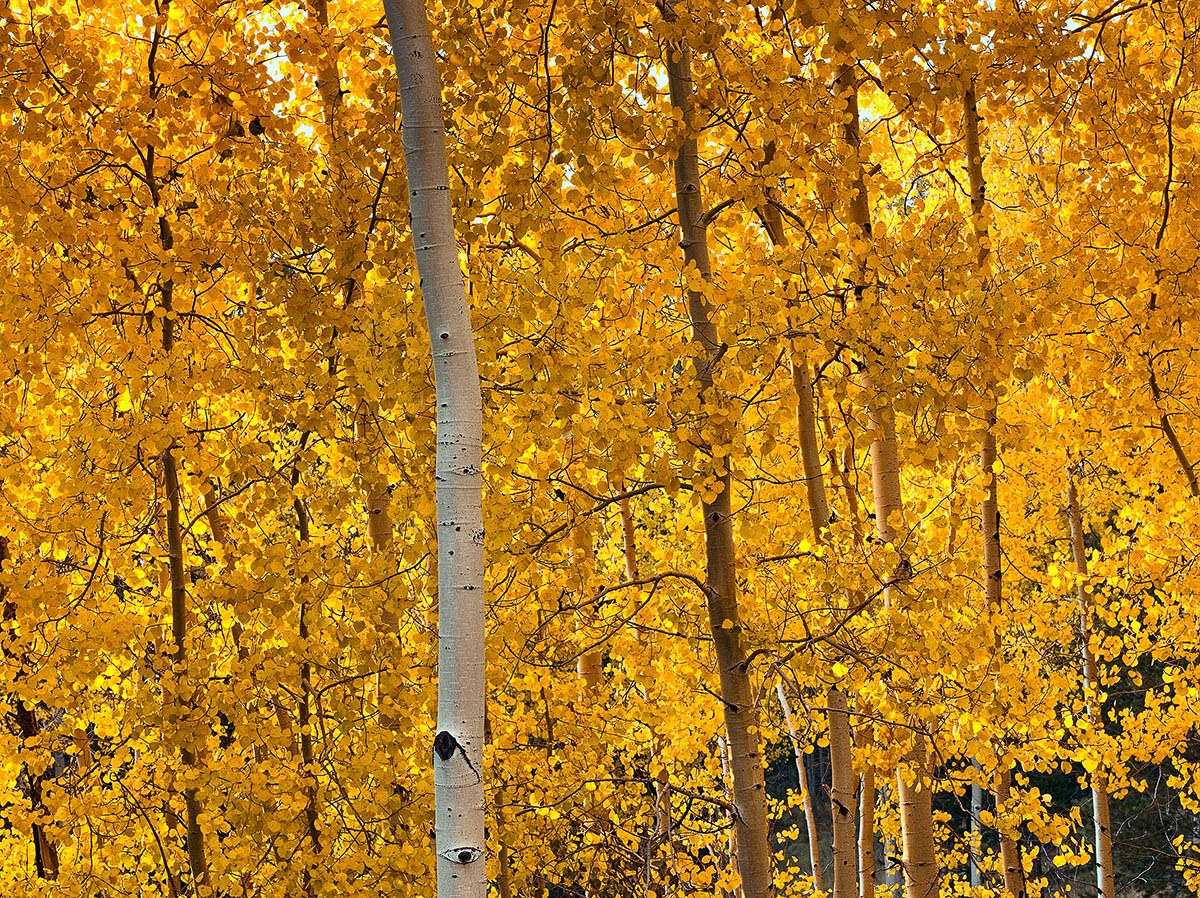
Instagram wants you to believe that dying green is a gentle, poetic dissolve into a wildflower meadow. The algorithm serves up beautiful wicker caskets, hand-woven shrouds, and smiling death doulas whispering about the cycle of life. But here is the unvarnished reality: a dead body is an emergency in slow motion, and nature does not do aesthetics. If you do not plan for the cold, hard logistics of decomposition, your beautiful, eco-friendly farewell can quickly devolve into an administrative and emotional nightmare for your kids.
The direct answer
Green burials are often more expensive than traditional burials due to limited availability of certified cemeteries, specific land costs, and the need for specialized, eco-friendly containers. While the environmental benefits are real, the cost savings are frequently a myth.
The Costly Reality of 'Natural'
The pastoral image of a green burial—a simple, biodegradable casket or shroud laid to rest in a natural setting—is undeniably appealing. It speaks to a desire for a less impactful, more organic end. However, the notion that this translates to significant cost savings is, for many, a misleading simplification. While it's true that you can avoid the expense of embalming, elaborate caskets, and concrete vaults, other costs can quickly negate these savings.
Finding a certified green burial cemetery can be a significant hurdle. These are not as widespread as traditional cemeteries, meaning you might have to travel further, incurring transportation costs for the deceased and for attendees. The land itself, when specifically designated and managed for conservation purposes, can command a premium price per plot [c4]. Unlike conventional cemeteries that might offer tiered pricing based on location and amenities, green burial sites often have a more uniform, and sometimes higher, entry cost. This scarcity factor is a primary driver of expense.
Beyond plot costs, there are other considerations. While a simple pine box or a shroud can be less expensive than a traditional casket, the overall package—including the plot, potential conservation fees, and any required biodegradable containers—can easily exceed the price of a standard burial. Simple Cremation USA points out that green burials are not always less expensive than traditional burials [c2], a sentiment echoed by Woodland Casket Co., which notes costs can add up depending on the plot chosen [c4]. The lack of widespread infrastructure means fewer options and less competition, which, paradoxically, can drive prices up.
The Hidden Logistics and Certifications
The 'green' aspect of green burial isn't just about the materials used; it's about specific conservation practices and certifications. Certified green cemeteries adhere to strict standards, ensuring minimal environmental impact. This often means no embalming fluids, no metal caskets, no concrete burial vaults, and the use of biodegradable materials. They are also typically managed to preserve or restore natural habitats.
However, locating these certified spaces can be challenging. After®.com Blog notes that families often struggle to find certified green cemeteries nearby, and when they do, costs can exceed expectations [c3]. This search itself can be time-consuming and emotionally taxing during a difficult period. Furthermore, not all cemeteries that market themselves as 'natural' or 'eco-friendly' meet the rigorous standards set by organizations like the Green Burial Council.
This lack of standardization can lead to confusion. A cemetery might offer a 'natural burial' option that involves a concrete liner or a non-biodegradable casket, which wouldn't qualify as a true green burial by stricter definitions. Understanding these nuances is crucial, as misinterpreting marketing claims can lead to unexpected outcomes and costs. The Sixty and Me article directly addresses this, calling it a myth that green burial is more economical [c1].
Want more of this?
Mark Palmelle a preferred source and it shows up when you search Google.
When 'Natural' Becomes Complicated
The desire for a green burial often stems from a place of environmental consciousness or a yearning for a simpler, more meaningful farewell. It's a powerful counter-narrative to the often elaborate and costly traditions of conventional funerals. Yet, the path to achieving it isn't always straightforward, and the perceived cost savings can evaporate quickly when faced with practical realities.
Consider the logistics of transporting a body to a more distant, certified green cemetery. This adds significant expense and complexity, especially if the family wishes to have a viewing or service beforehand. The specialized nature of the burial itself—requiring specific depths and without the protection of a vault—also means that cemetery staff must be trained and equipped for these particular needs, which can be an added operational cost for the cemetery, eventually passed on.
The perception versus the reality is where the disconnect often happens. Media portrayals and anecdotal stories can highlight the simplicity, but they might omit the premium price tag for a plot in a well-managed conservation cemetery or the extra effort required to find one that meets your specific needs. As After®.com points out, costs often exceed expectations [c3].
Common mistakes
- Assuming green burial is automatically cheaper.
This is the most common misconception. The absence of certain traditional elements (like embalming or elaborate caskets) doesn't guarantee a lower overall cost when factoring in limited availability, specialized services, and premium plot pricing in certified locations. - Not verifying cemetery certifications.
Many cemeteries market themselves as 'green' or 'natural' without meeting the strict standards of recognized green burial organizations. This can lead to unmet expectations regarding environmental impact and, potentially, higher costs for services that don't align with true green burial principles.
Frequently asked
What makes a burial 'green'?
A green burial involves the interment of a body in a biodegradable container (like a simple wood casket or shroud) without embalming fluids or burial vaults, in a manner that minimizes environmental impact. The goal is to allow the body to decompose naturally and return to the earth. Certified green cemeteries often focus on conservation and restoration of natural land.
Are there specific types of green burial containers?
Yes, common green burial containers include simple pine or willow caskets, wicker baskets, or cloth shrouds made from natural fibers like cotton, linen, or hemp. The key is that the materials are biodegradable and leave no toxic residue in the soil.
How can I find a certified green burial cemetery?
You can typically find lists of certified green burial cemeteries through organizations like the Green Burial Council. It's important to verify a cemetery's certification and understand their specific burial practices and associated costs before making arrangements.
Sources
- Sixty and Me — Article debunking green burial cost myths, citing funeral director perspective.
- Simple Cremation USA — Blog post discussing legal and practical aspects, noting green burials aren't always cheaper.
- After®.com Blog — Article highlighting the difficulty in finding certified green cemeteries and exceeding cost expectations.
- Woodland Casket Co — Blog post discussing green burial costs and how plot choice impacts expense.



More from The Conversation → · Back to Perch · Browse all stories
More of this, in your Google results.
Takes one tap, and it applies everywhere you search — not just this page.